
It’s no secret construction sites and on-the-job safety go hand-in-hand. Yet, the fact that falls are among the most reported construction site injuries may come as a surprise —especially when you consider these types of accidents can often be avoided.

As construction firms increasingly rely on digital tools and store large amounts of sensitive data, cybercriminals increasingly view them as attractive targets. As a result, construction businesses must take action to protect sensitive information from data breaches and other cybersecurity incidents.

While you might think that a good pair of boots is all you need to avoid workplace injury, there are a number of different hazards that a regular work boot may not protect against. In this blog, we examine the most common types of safety boots so you can find your perfect fit.

Construction contracts are becoming increasingly complex, with terms that can impact your company’s bottom line. With this in mind, reviewing construction contracts thoroughly prior to signing is essential for helping your business save time and money.

Building an effective safety program can yield important benefits for construction companies. At the top of the list is the most important result – the ability to reduce employee injuries and illnesses. This is a crucial benefit because keeping workers healthy can build employee morale and retention while helping to minimize workers’ compensation claims and costs.

The typical manufacturing workplace is a flurry of activity with many workers performing different operations simultaneously. One of the easiest ways to keep this activity running smoothly and with high levels of safety and efficiency is to practice good workplace housekeeping. The three tips below are best practices to consistently promote in the workplace.

Fluctuating consumer behaviors, material procurement difficulties, project delays, high interest rates and high inflation have created volatility and uncertainty across the construction industry in recent years. Such trends have been vital to monitor, as doing so has helped industry employers create strategies to adjust and remain successful despite these uncertain circumstances.

The first step to any digging project is pretty simple – know what’s buried underground! This applies to contractors, road maintenance crews, telephone pole installers, fence builders, landscapers and even homeowners. In fact, anyone breaking ground should fully understand the safe digging tips outlined in this blog.
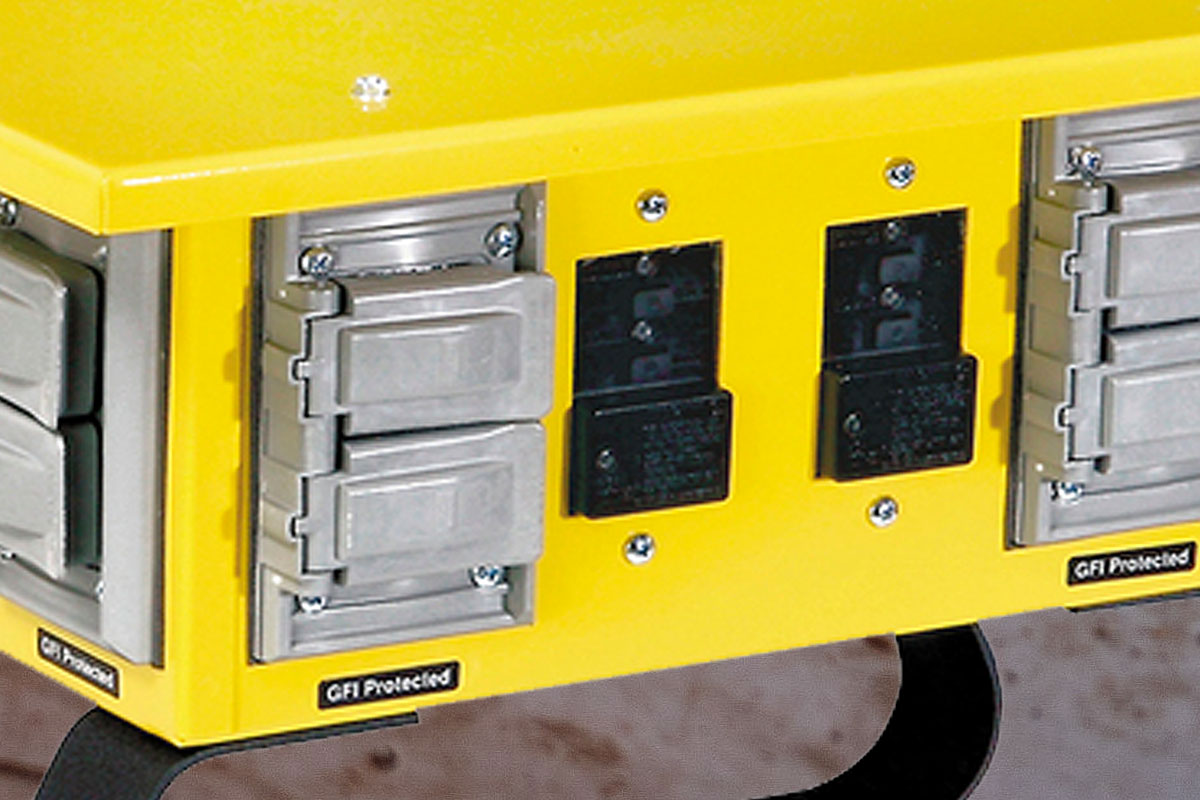
Grounding a tool or electrical system involves creating a low-resistance electrical path that connects to the earth. A ground-fault occurs in a tool or electrical system when there is a break in this low-resistance grounding path. The electrical current may then take an alternative path to the ground through the user, resulting in serious injuries or death.
An attractive nuisance is a potentially dangerous, man-made condition that exists on a construction site, vacant site or active site after-hours that draws trespassers—including children. If a child trespasses on site due to these conditions, the general contractor on the site can be held liable for any injuries sustained.

Employers across the country are struggling to attract and retain quality workers. This is certainly true with respect to the construction industry, which expects continued growth into 2023 and beyond. The purpose of this blog is to highlight new employment research, outline factors contributing to today’s worker shortage, and offer important tips to help employers attract and retain skilled workers.

The construction industry is one of the most hazardous in the United States. In fact, every time you come to work, you risk suffering an injury. However, you can help improve construction site safety by learning about and avoiding the top four on-the-job hazards, which are: falls, struck-bys, caught-in-between hazards and electrocutions.

With the rapid and nearly continuous pace of change in the construction sector, the need for specialist insurance agent/broker expertise is clear. This is not a market for generalists; contractors need consultants who can help them anticipate and take advantage of market changes as they develop.

Construction workers utilize a wide range of tools that are essential for getting the job done. But there’s no tool more indispensable to the trade than a worker’s hands. For this edition of Construction Safety Matters, we’ve developed a list of precautions you can share with your workers to help safeguard their hands from on-the-job injury—and keep them in peak working condition.

While a crane is an essential asset, there are hazards involving all aspects of crane use on a construction site. The purpose of this blog is to provide construction companies with safety tips and guidance to help facilitate safe crane operation.

When it comes to keeping a workplace safe and OSHA compliant, it’s difficult to overstate the importance of guardrails. In fact, according to OSHA, falls from elevation account for the majority of fatalities within the construction industry – with over 300 fatal falls occurring each year. Yet, failure to provide fall protection in the form of guardrails is among the most-cited OSHA violations on an annual basis.